

The media and entertainment industry are built on creativity, talent, and collaboration. Whether it is a feature film, television series, web series, advertisement, music video, fashion campaign, digital content, or live event, multiple professionals work together to bring a project to life. Actors, producers, directors, writers, musicians, editors, cinematographers, costume designers, makeup artists, stylists, influencers, production houses, agencies, and distributors all contribute to the final product.
While creativity drives the industry, contracts and agreements provide the legal foundation that protects every individual and business involved. In media law, a well-drafted contract helps define responsibilities, ownership rights, payment terms, confidentiality obligations, dispute resolution mechanisms, and timelines. Without legally enforceable agreements, misunderstandings can quickly turn into costly legal disputes.
This article explains the meaning of contracts in media law, their importance, advantages and disadvantages, how different professionals benefit from them, and some landmark case laws that highlight the significance of written agreements.
Meaning of Contract and Agreement in Media Law
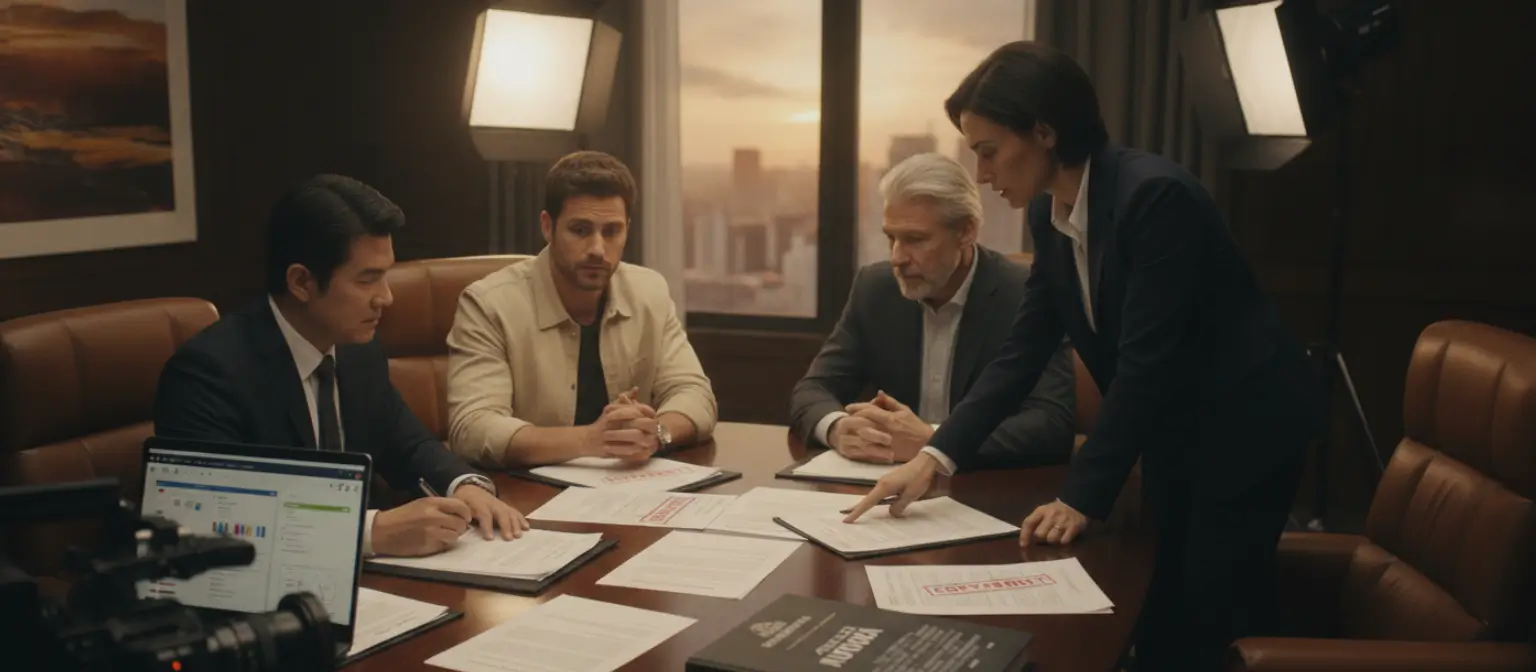
A contract is a legally enforceable agreement between two or more parties that creates rights and obligations. Under the Indian Contract Act, 1872, a valid contract must include:
- Offer and acceptance
- Free consent of the parties
- Lawful consideration
- Competent parties
- Lawful object
- Intention to create legal relations
In media law, contracts are specifically drafted to regulate relationships involving creative works, intellectual property, performances, licensing, production, broadcasting, endorsements, sponsorships, and digital content.
Common media contracts include:
- Artist Agreements
- Actor Agreements
- Director Agreements
- Producer Agreements
- Writer Agreements
- Music Licensing Agreements
- Distribution Agreements
- Production Agreements
- Talent Management Agreements
- Brand Endorsement Agreements
- Influencer Agreements
- Non-Disclosure Agreements (NDAs)
- Assignment of Copyright Agreements
- Location Agreements
- Service Agreements
Every entertainment project involves multiple contracts that collectively safeguard the interests of everyone participating in the production.
Importance of Contracts in the Media Industry
The entertainment industry often involves substantial financial investments and intellectual property. Contracts ensure that expectations are clearly documented before work begins.
Some of the major purposes of media contracts include:
- Clearly defining the scope of work
- Fixing remuneration and payment schedules
- Determining ownership of copyrights and intellectual property
- Protecting confidential information
- Establishing production timelines
- Preventing unauthorized use of creative work
- Specifying termination rights
- Providing mechanisms for dispute resolution
- Limiting legal liability
- Ensuring compliance with applicable laws
A professionally drafted agreement reduces uncertainty and helps maintain professional relationships throughout the project.
How Different Professionals Benefit from Contracts
Actors
Actors invest significant time and effort into a project. A written agreement protects their interests by specifying:
- Fees and payment schedule
- Shooting dates
- Working hours
- Promotional obligations
- Exclusivity clauses
- Image and publicity rights
- Insurance provisions
- Travel and accommodation arrangements
Contracts also help avoid disputes regarding remuneration or unauthorized use of an actor’s performance.
Producers
Producers bear financial responsibility for the project. Their agreements help protect investments by ensuring:
- Ownership of production rights
- Assignment of intellectual property
- Delivery timelines
- Confidentiality obligations
- Completion guarantees
- Rights to distribute and monetize the content
- Indemnity against legal claims
Without proper contracts, producers may face ownership disputes over scripts, music, performances, or creative contributions.
Directors
Directors contribute significantly to the creative vision of a production. Their agreements generally define:
- Creative responsibilities
- Decision-making authority
- Compensation
- Credit entitlement
- Delivery schedules
- Confidentiality obligations
- Ownership of work created during production
These provisions reduce ambiguity and protect both directors and producers.
Artists and Performers
Artists such as singers, dancers, musicians, voice-over artists, photographers, editors, and choreographers also require legally binding agreements.
Their contracts generally specify:
- Nature of services
- Payment structure
- Copyright ownership
- Licensing rights
- Duration of engagement
- Confidentiality obligations
This ensures that creative contributions are properly recognized and compensated.
Stylists, Makeup Artists and Costume Designers
Creative professionals behind the scenes are equally important. Contracts protect them by defining:
- Scope of services
- Deliverables
- Working schedules
- Payment terms
- Ownership of custom designs
- Liability for loss or damage of costumes and accessories
Written agreements reduce disputes regarding unpaid invoices or additional work beyond the agreed scope.
Production Houses and Media Companies
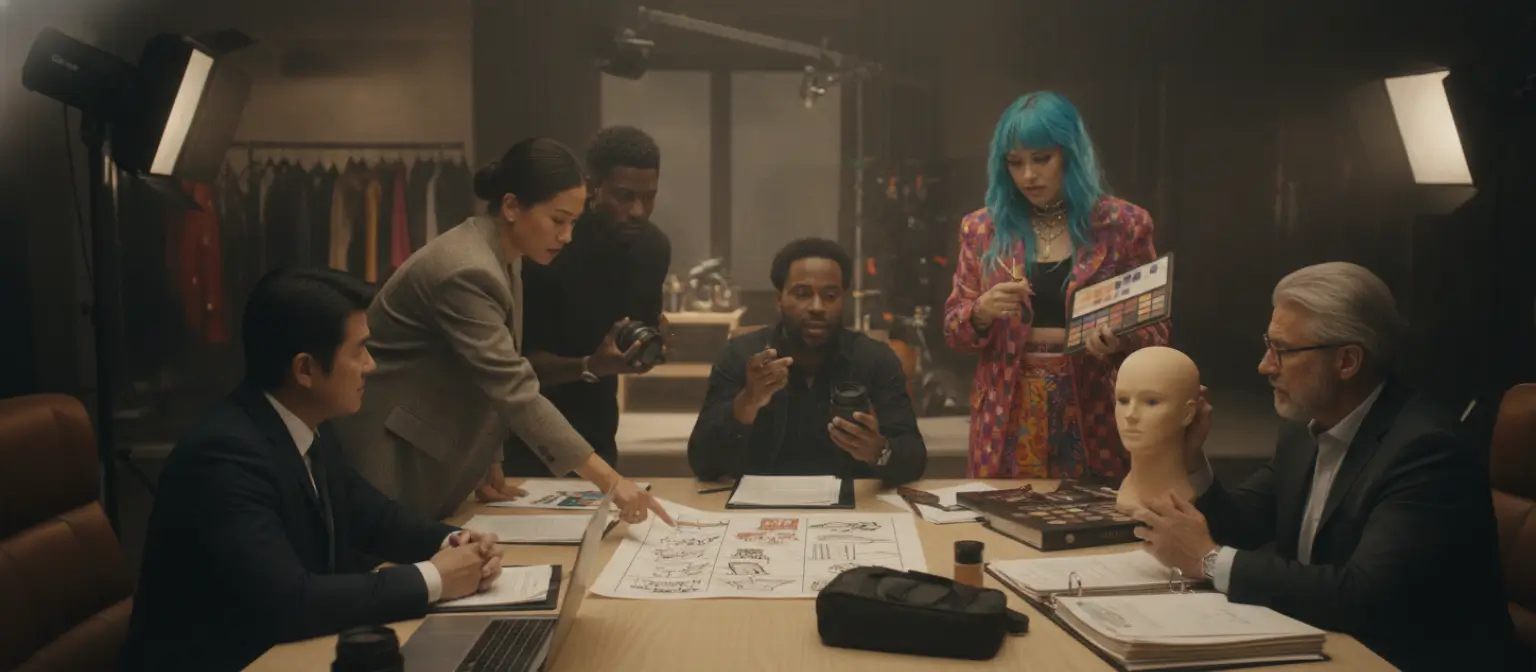
Media companies manage large-scale projects involving numerous stakeholders. Contracts enable them to:
- Protect intellectual property
- Secure exclusive rights
- Allocate responsibilities
- Manage financial risks
- Maintain confidentiality
- Ensure legal compliance
- Avoid unnecessary litigation
Comprehensive agreements help companies conduct business efficiently while minimizing legal exposure.
Advantages of Contracts in Media Law
Well-drafted contracts offer several legal and commercial benefits.
Legal Protection
Contracts provide enforceable legal rights if any party fails to perform its obligations.
Clarity of Expectations
Every party understands its responsibilities, reducing misunderstandings during production.
Protection of Intellectual Property
Ownership of scripts, music, films, photographs, designs, and performances can be clearly defined.
Timely Payments
Payment schedules, milestone-based payments, and reimbursement terms help avoid financial disputes.
Confidentiality
Dispute Resolution
Contracts may include arbitration or mediation clauses, allowing disputes to be resolved efficiently without prolonged litigation.
Business Certainty
Clearly defined obligations help projects progress smoothly while reducing legal and financial uncertainty.
Disadvantages of Poorly Drafted or Missing Contracts
While contracts provide significant benefits, poorly drafted agreements or the absence of written contracts can create serious problems.
Some common disadvantages include:
- Ownership disputes over creative work
- Delayed or unpaid compensation
- Misuse of intellectual property
- Unauthorized publication or distribution
- Breach of confidentiality
- Conflicts regarding project timelines
- Ambiguity in responsibilities
- Increased legal costs
- Damage to professional relationships
- Loss of commercial opportunities
Many media disputes arise not because parties intended to act unfairly, but because important terms were never documented clearly.
Important Clauses in Media Agreements
A comprehensive media contract generally includes:
- Identification of parties
- Scope of work
- Payment terms
- Duration of the agreement
- Copyright ownership
- Licensing rights
- Credit and acknowledgements
- Confidentiality obligations
- Non-compete and exclusivity clauses
- Force majeure
- Indemnity
- Termination provisions
- Governing law
- Arbitration and dispute resolution
Carefully drafting these clauses can significantly reduce legal risks.
Landmark Case Laws
RG Anand v. Deluxe Films
The Supreme Court examined the issue of copyright infringement relating to dramatic works and films. The judgment clarified that while ideas themselves are not protected, the expression of those ideas may receive copyright protection. The case underscores the importance of written agreements concerning ownership and use of creative works.
Indian Performing Right Society Ltd. v. Eastern India Motion Pictures Association
The Supreme Court considered the ownership of musical works incorporated into cinematograph films. The case highlighted the contractual relationship between authors, composers, producers, and copyright owners, emphasizing the need for clearly drafted agreements.
Zee Telefilms Ltd. v. Sundial Communications Pvt. Ltd.
This matter involved allegations relating to television programme concepts and confidentiality. The case demonstrated how contractual obligations and confidentiality clauses can become crucial in protecting creative ideas within the entertainment industry.
Why Professional Legal Assistance Matters
Every media project is unique. Standard templates downloaded from the internet often fail to address project-specific requirements, intellectual property concerns, revenue-sharing arrangements, or digital distribution rights.
Legal professionals experienced in media law can assist in:
- Drafting customised agreements
- Reviewing existing contracts
- Negotiating commercial terms
- Protecting intellectual property
- Advising on copyright and licensing
- Managing dispute resolution
- Representing clients before courts and arbitral tribunals
Obtaining legal advice before signing an agreement is often far less expensive than resolving disputes after a project has commenced.
Contracts are far more than legal formalities in the media and entertainment industry. They establish trust, define expectations, safeguard creative contributions, and protect commercial interests. Whether you are an actor, producer, director, stylist, artist, influencer, production house, or media company, a carefully drafted agreement provides legal certainty and minimizes the risk of disputes.
As the entertainment industry continues to expand across films, OTT platforms, digital media, advertising, and social media collaborations, professionally drafted contracts have become indispensable for protecting rights and ensuring successful business relationships.