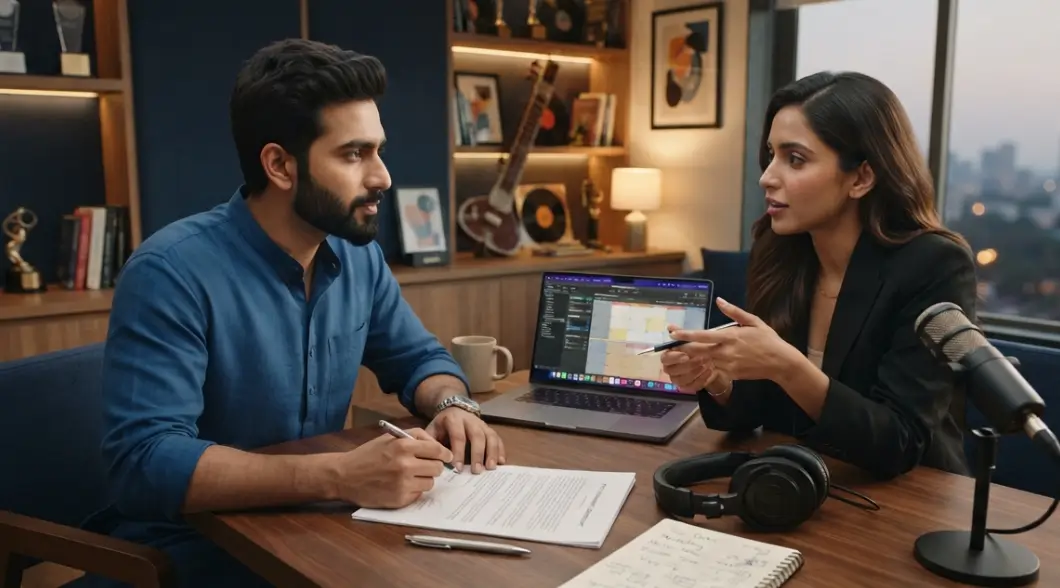
An artist management agreement is a legal contract between an artist and an artist manager that defines their professional relationship, responsibilities, financial arrangements, rights, and obligations. A well-drafted agreement helps both parties understand what is expected from them and reduces the possibility of disputes relating to commissions, performances, intellectual property, termination, or representation.
For artists, musicians, performers, influencers, actors, and other creative professionals, having a clearly drafted artist management agreement is particularly important because management arrangements often involve multiple revenue streams, third-party contracts, public appearances, brand collaborations, and intellectual property rights.
What Is an Artist Management Agreement?
An artist management agreement is a contract under which a manager agrees to provide professional management and representation services to an artist. The manager may assist with bookings, negotiations, promotions, brand opportunities, scheduling, career development, and commercial arrangements.
The agreement establishes the scope of the manager’s authority and specifies how the manager will be compensated. It can also address confidentiality, intellectual property, termination, dispute resolution, and other important legal matters.
Because every artist-manager relationship can be different, the agreement should be tailored to the nature of the artist’s career, the services being provided, and the commercial expectations of both parties.
Why Is an Artist Management Agreement Important?
A verbal understanding may not adequately protect either party when significant sums of money, professional commitments, and third-party relationships are involved.
A written agreement can clearly establish:
- The services the manager will provide
- The artist's responsibilities
- The manager's authority
- Commission and payment arrangements
- Contract duration
- Exclusivity requirements
- Confidentiality obligations
- Intellectual property rights
- Termination rights
- Post-termination obligations
- Dispute resolution mechanisms
A properly structured contract can therefore provide greater clarity and reduce misunderstandings between the artist and manager.
Essential Clauses in an Artist Management Agreement

1. Details of the Parties
The agreement should clearly identify the artist and the manager.
It should include the legal name, address, contact details, and, where applicable, business or company details of each party. If the artist operates through a company, partnership, LLP, or other legal entity, the agreement should identify the appropriate contracting party.
This basic information helps establish who is legally bound by the agreement.
2. Scope of Management Services
The agreement should specify exactly what services the manager is expected to provide.
Depending on the arrangement, services may include:
- Career planning and professional guidance
- Event and performance negotiations
- Brand and sponsorship opportunities
- Public relations and promotional activities
- Booking coordination
- Contract negotiations
- Business development
- Social media or promotional coordination
- Liaising with event organisers and agencies
Clearly defining the scope of services helps prevent disagreements about whether a particular responsibility falls within the manager’s role.
3. Appointment and Exclusivity
The agreement should state whether the manager is appointed on an exclusive or non-exclusive basis.
An exclusive arrangement may prevent the artist from appointing another manager for specified services or territories during the contract period.
The agreement should clearly explain the extent of exclusivity, including:
- Services covered by exclusivity
- Geographic territory
- Duration
- Exceptions, if any
- Existing professional relationships
Artists should understand the practical implications of an exclusivity clause before signing the agreement.
4. Term and Renewal
The contract should specify when the management relationship begins and when it ends.
It may also provide for renewal by mutual agreement or automatic renewal subject to specified conditions.
A clearly defined term prevents uncertainty and provides both parties with an opportunity to review the relationship after a particular period.
5. Manager's Commission and Payment Terms
Financial terms are among the most important provisions in an artist management agreement.
The contract should clearly state how the manager will be compensated. This may involve a percentage-based commission, fixed fees, or another mutually agreed arrangement.
The agreement should clarify:
- Commission percentage or fee
- Revenue streams subject to commission
- Timing of payments
- Treatment of taxes
- Expenses
- Reimbursements
- Commissions on contracts negotiated during the agreement
- Treatment of payments received after termination
The definition of “gross income,” “net income,” or “managed income” should be carefully drafted because the calculation can significantly affect the amount payable to the manager.
6. Expenses and Reimbursements
Managers may incur expenses while performing their duties. The agreement should specify which expenses are reimbursable and whether prior approval from the artist is required.
For example, the agreement may address travel, accommodation, promotional expenses, professional fees, event-related costs, or other business expenses.
A clear expense clause can prevent disputes over unexpected or unauthorised expenditure.
7. Authority of the Manager
The agreement should establish what the manager is authorised to do on behalf of the artist.
For example, the manager may be authorised to negotiate opportunities but may require the artist’s prior written approval before signing contracts, accepting performance commitments, or making significant financial decisions.
The agreement should distinguish between authority to negotiate and authority to legally bind the artist.
8. Artist's Obligations
The artist also has responsibilities under the agreement.
These may include attending scheduled performances, providing information required for negotiations, maintaining professional conduct, complying with agreed schedules, and informing the manager about relevant professional opportunities.
The artist should also be required to communicate important commitments that may affect the manager’s ability to perform their responsibilities.
9. Intellectual Property Rights
Intellectual property can be a significant part of an artist’s career.
The agreement should clearly establish ownership and usage rights relating to:
- Music and recordings
- Photographs and videos
- Stage names
- Logos and branding
- Promotional materials
- Social media content
- Original creative works
The contract should clarify whether the manager receives any intellectual property rights or merely a limited right to use certain materials for management and promotional purposes.
10. Confidentiality
Artists and managers may have access to confidential information involving finances, contracts, unreleased projects, personal information, business strategies, and commercial negotiations.
A confidentiality clause should identify the information that must remain confidential and specify the circumstances in which disclosure may be permitted or legally required.
Confidentiality obligations may also continue after the management agreement ends.
11. Brand Deals and Third-Party Contracts
Artists may receive opportunities from brands, event organisers, production companies, agencies, and other businesses.
The agreement should explain how these opportunities will be handled and whether the manager is entitled to commission from them.
It should also clarify who has authority to negotiate, approve, sign, and administer third-party agreements.
12. Termination Clause
A well-drafted termination clause is essential.
It should specify the circumstances under which either party can terminate the agreement. These may include material breach, non-payment, misconduct, insolvency, failure to perform contractual obligations, or other agreed grounds.
The agreement should also specify whether notice must be provided and whether the breaching party has an opportunity to remedy the breach.
13. Post-Termination Commission
A particularly important provision is the treatment of commissions after termination.
If the manager introduced or negotiated a commercial opportunity during the management period, the parties may need to determine whether the manager remains entitled to commission when payment is received after termination.
A carefully drafted clause can define the circumstances, duration, and scope of any continuing commission obligation.
14. Dispute Resolution and Jurisdiction
The agreement should establish how disputes will be handled.
It may provide for negotiation, mediation, arbitration, or litigation, depending on the parties’ agreement and applicable law.
The contract should also specify the appropriate jurisdiction and governing law. Clear dispute-resolution provisions can make it easier to determine the procedure to follow if a disagreement arises.
What Should Artists Check Before Signing a Management Agreement?
Before signing, an artist should carefully review the agreement’s duration, exclusivity, commission structure, termination rights, intellectual property provisions, expenses, authority granted to the manager, and post-termination obligations.
It is also advisable to ensure that verbal promises or commercial understandings that are important to the arrangement are properly reflected in the written contract.
Can an Artist Management Agreement Be Negotiated?
Yes. An artist management agreement is generally a negotiated commercial arrangement, and its terms can be discussed before execution.
Artists should not assume that every management agreement has to follow the same structure. The appropriate terms depend on factors such as the artist’s career stage, management services, revenue sources, territory, existing contracts, and commercial objectives.
Professional legal advice can help identify provisions that may create uncertainty or impose significant obligations on either party.
How Can Legal Assistance Help with an Artist Management Agreement?
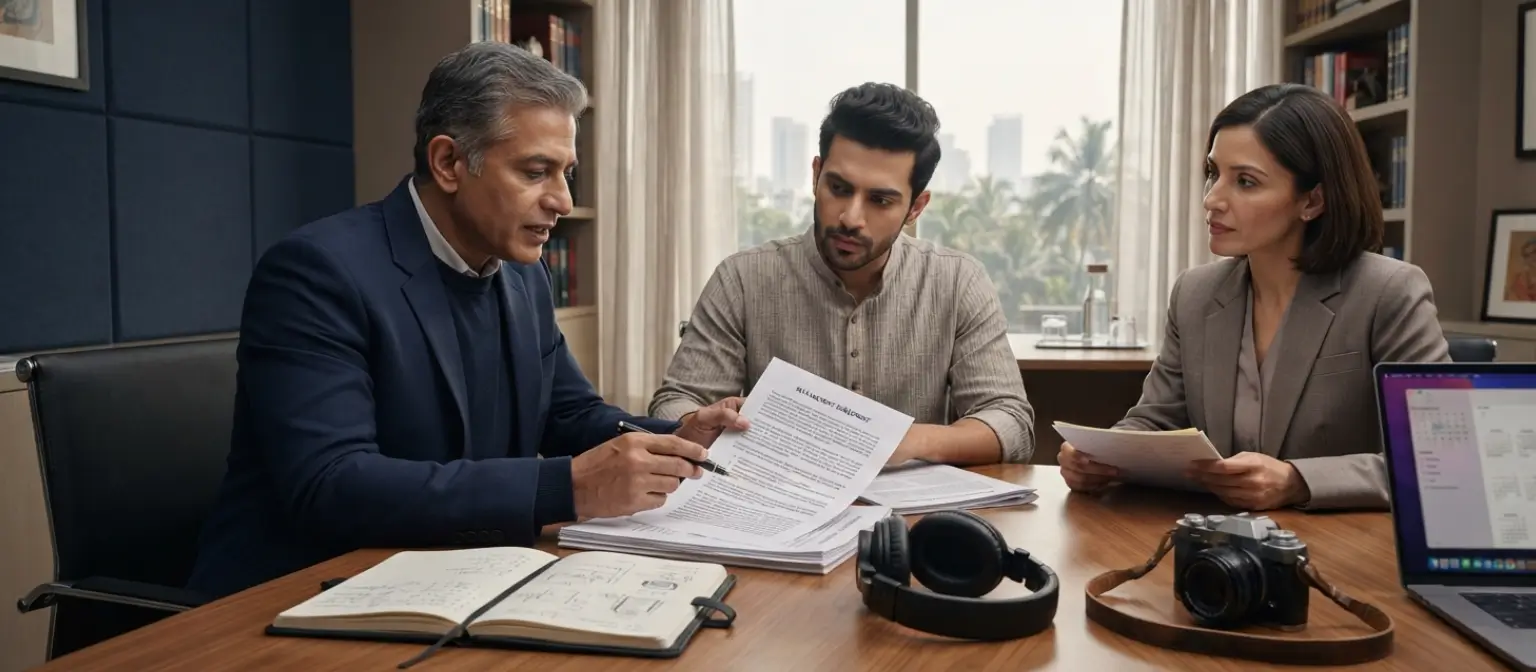
An experienced lawyer can assist with drafting, reviewing, negotiating, and revising an artist management agreement. Legal review can help ensure that important commercial terms are clearly documented and that the rights and obligations of the artist and manager are properly addressed.
For artists and managers entering into a professional relationship, a carefully drafted agreement can provide a stronger contractual framework for managing career opportunities and commercial relationships.
M/s. Semwal & Co. provides legal assistance in relation to contracts, agreements, civil matters, and related legal requirements.