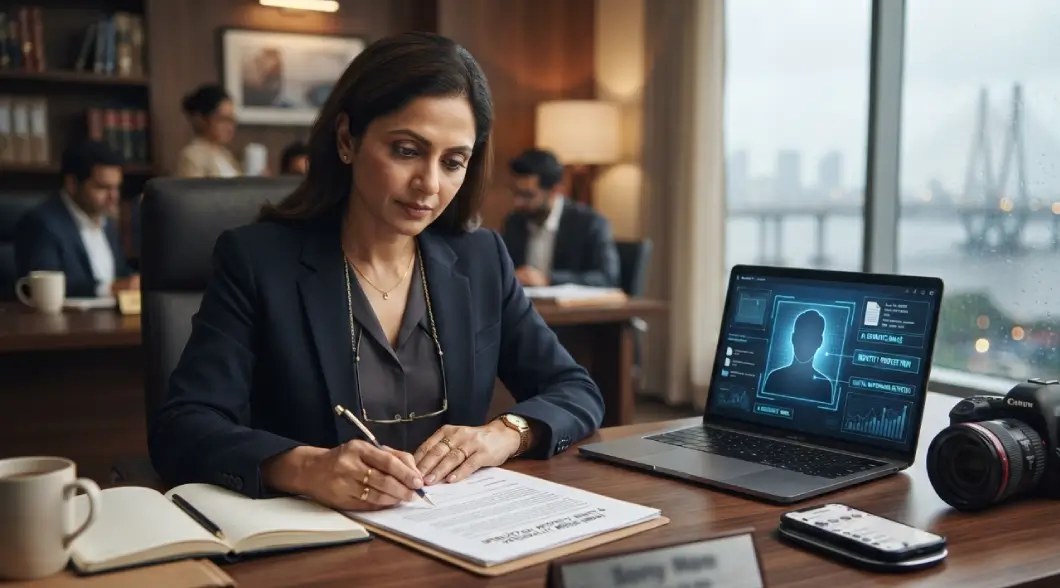
In the digital age, a person’s name, photograph, voice, likeness, signature, and other distinctive characteristics can have significant personal and commercial value. Social media, artificial intelligence (AI), deepfakes, digital advertising, online merchandise, and content platforms have made unauthorized use of a person’s identity easier than ever.
Image rights and personality rights in India provide legal protection against certain unauthorized uses of an individual’s identity and persona. Although India does not currently have one comprehensive statute exclusively governing personality rights, Indian courts have developed important protections through constitutional privacy principles, intellectual property laws, passing off, defamation, and other legal remedies.
What Are Image Rights and Personality Rights?
Image rights generally refer to an individual’s ability to control the commercial or unauthorized use of their photograph, likeness, visual identity, or recognizable appearance.
Personality rights are broader. They may cover distinctive attributes associated with an individual, including their:
- Name
- Photograph or image
- Likeness
- Voice
- Signature
- Mannerisms
- Distinctive expressions
- Persona
- Other recognizable characteristics
For celebrities, these attributes can have substantial commercial value because companies may use them for endorsements, advertising, merchandise, entertainment, or promotional activities.
Indian courts have increasingly recognized that unauthorized commercial exploitation of such attributes can infringe personality or publicity rights. The Delhi High Court, for example, has protected an individual’s name, image, voice, likeness, and other personality attributes against unauthorized commercial exploitation.
Are Personality Rights a Fundamental Right in India?
Personality rights are closely connected with the constitutional right to privacy and dignity under Article 21 of the Constitution of India. The Supreme Court’s decision in Justice K.S. Puttaswamy (Retd.) v. Union of India established privacy as a constitutionally protected right under Article 21.
Privacy includes important aspects of individual autonomy, dignity, and control over personal matters. The Supreme Court has recognized that the protection of personality and individual autonomy forms an important part of constitutional privacy principles.
However, personality or publicity rights should not simply be treated as an unlimited exclusive property right over everything associated with a person. Courts must also consider freedom of speech, artistic expression, criticism, news reporting, and other legitimate uses.
How Are Image Rights Protected Under Indian Law?
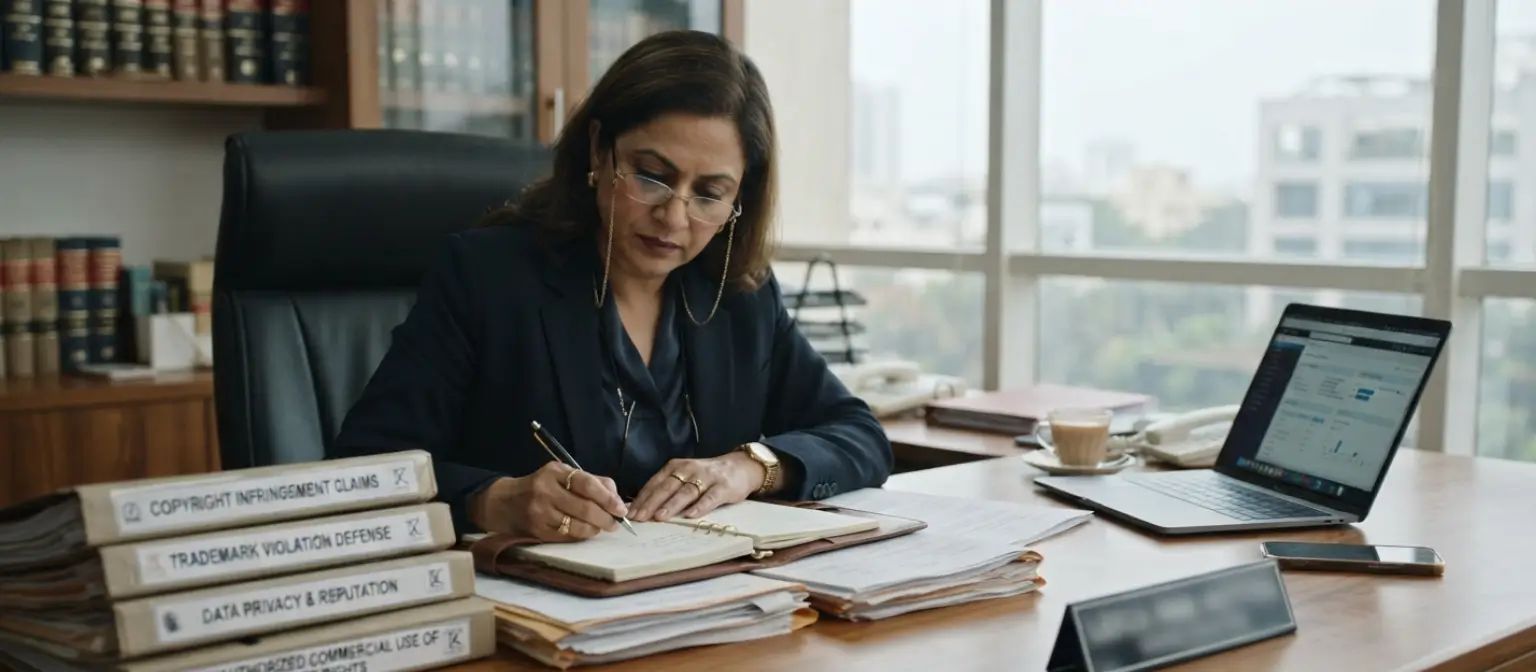
India does not have a single dedicated Image Rights Act or Personality Rights Act. Instead, protection can arise through multiple areas of law depending on the facts of a particular case.
These may include:
Constitutional law: Article 21 protects privacy and dignity.
Copyright law: Photographs, films, recordings and other creative works may receive copyright protection. The Copyright Act, 1957 also contains specific provisions concerning performers and their moral rights.
Trademark law: Names, marks and other identifiers may, in appropriate circumstances, receive protection under the Trademarks Act, 1999.
Passing off: Unauthorized commercial use may potentially create a false association between a person and a product or service.
Defamation: Where unauthorized use damages a person’s reputation, defamation-related remedies may also become relevant.
Injunctions: Courts can restrain unauthorized use through interim or permanent injunctions where the legal requirements are satisfied.
The appropriate remedy therefore depends upon the nature of the unauthorized use, the identity of the person, the commercial impact, the content involved, and the rights affected.
What Did the Delhi High Court Decide in the Anil Kapoor Personality Rights Case?
The Anil Kapoor v. Simply Life India & Ors. proceedings are an important example of how Indian courts are addressing modern personality-rights disputes.
In September 2023, the Delhi High Court considered unauthorized use of Mr. Anil Kapoor’s name, image, likeness, voice, signature, manner of speaking and other aspects of his persona. The allegations also involved merchandise, morphed images, AI-generated content, GIFs and domain names.
The Court granted an interim injunction protecting the actor against unauthorized exploitation of his personality attributes, including certain AI-generated and technologically manipulated content.
In April 2024, the Delhi High Court subsequently granted a permanent injunction against defendants who had not filed their defence within the applicable period, finding that the unauthorized exploitation of the plaintiff’s name, likeness, image and persona infringed his personality and privacy rights.
This case demonstrates why personality rights have become particularly important in the age of AI-generated content.
What Is the Importance of AI and Deepfakes in Personality Rights?
Artificial intelligence has significantly increased the risks associated with unauthorized use of a person’s identity.
AI tools can potentially be used to create:
- Artificial images resembling a real person
- AI-generated videos
- Synthetic voices
- Digital impersonations
- Unauthorized chatbots
- Altered photographs
- False endorsements
- Deepfake content
Indian courts have already addressed some of these concerns. In the Anil Kapoor proceedings, the Delhi High Court considered unauthorized AI-generated images and videos among the alleged misuse of the actor’s persona.
Similarly, in Jackie Shroff v. The Peppy Store & Ors., the Delhi High Court considered unauthorized use of the actor’s name, voice, image and other distinctive attributes. The proceedings also involved an AI chatbot using attributes of the actor’s persona. The Court granted interim protection against specified unauthorized commercial uses.
These decisions indicate that personality-rights principles can apply to emerging technologies and are not limited to traditional advertising or print media.
Can a Person Stop Someone From Using Their Photograph?
A person may have legal grounds to object to unauthorized use of their photograph, particularly where the photograph is used commercially, creates a misleading association, damages reputation, or otherwise violates legally protected interests.
However, not every use of someone’s photograph is automatically unlawful.
For example, legitimate news reporting, commentary, criticism, documentary use, public-interest communication, and artistic expression may raise different considerations. Courts generally need to balance personality and privacy interests against freedom of expression and other competing rights.
Therefore, the context in which an image is used is extremely important.
Can Celebrities Protect Their Name and Voice?
Yes. Indian courts have recognized that a celebrity’s personality can include more than their photograph.
In the Anil Kapoor proceedings, the claims included protection of the actor’s name, voice, image, likeness, manner of speaking, gestures and signature.
The Jackie Shroff proceedings similarly considered his name, voice, image and other recognizable personality attributes.
This means that an unauthorized commercial use does not necessarily have to reproduce an exact photograph to raise personality-rights concerns.
What Legal Remedies Are Available for Personality Rights Infringement?
Depending on the circumstances, a person whose personality or image rights have been misused may seek remedies such as:
- Interim injunction to immediately restrict the disputed use.
- Permanent injunction following adjudication of the dispute.
- Removal or takedown of infringing online content, where legally justified.
- Blocking of websites or URLs in appropriate circumstances.
- Damages or monetary relief, depending on the case and applicable legal grounds.
- Protection against misleading commercial association or passing off.
- Other appropriate civil remedies depending on the facts.
The Delhi High Court has, in suitable cases, issued directions concerning websites, URLs and online platforms in personality-rights disputes.
Why Are Image Rights and Personality Rights Increasingly Important?
The growth of social media, influencer marketing, online advertising, e-commerce and generative AI has increased the commercial value of personal identity.
A person’s image can now be copied, modified, distributed and monetized across multiple digital platforms within a very short time. AI-generated impersonation has added another layer of complexity.
Recent Delhi High Court decisions involving celebrities such as Anil Kapoor and Jackie Shroff demonstrate the developing judicial approach toward protecting identifiable personality attributes while considering competing interests such as freedom of expression.
How Can Businesses Avoid Violating Personality Rights?
Businesses, advertising agencies, content creators and online sellers should obtain appropriate authorization before using a person’s identity for commercial purposes.
Before publishing or selling content involving a recognizable person, businesses should consider:
- Whether proper consent has been obtained.
- Whether the agreement covers the intended medium of use.
- Whether AI or digital modification is permitted.
- Whether the image can be used for merchandise.
- Whether voice cloning or digital recreation is permitted.
- Whether the use implies endorsement.
- Whether the use could harm the person’s reputation.
- Whether copyright in the underlying photograph or creative work belongs to another person.
A photograph being publicly available online does not automatically mean that it can be freely used for commercial purposes. Copyright ownership and personality or privacy rights can involve separate legal questions.
Frequently Asked Questions About Personality Rights in India
What are personality rights in India?
Personality rights protect identifiable aspects of an individual’s persona, such as their name, image, likeness, voice and other distinctive attributes, particularly against unauthorized exploitation.
Is there a specific Personality Rights Act in India?
India does not currently have one comprehensive statute exclusively dedicated to personality rights. Protection may arise through constitutional privacy, intellectual property, passing off, defamation and civil remedies.
Can someone use a celebrity's photograph for commercial advertising without permission?
Unauthorized commercial use can potentially violate personality, publicity, privacy, trademark, copyright or other legal rights, depending on the circumstances.
Are AI-generated images covered by personality rights?
Indian courts have considered AI-generated and technologically manipulated content in personality-rights disputes. The legal position continues to develop as technology evolves.
Can a person protect their voice under personality rights?
Yes. Indian courts have recognized voice as an attribute that may form part of a person’s protectable persona, particularly where it is distinctive and commercially exploited without authorization.
What should a person do if their image is being misused online?
The appropriate response depends on the circumstances. Affected individuals may consider obtaining legal advice, preserving evidence, identifying the responsible parties and seeking appropriate civil or online remedies, including an injunction where warranted.
Legal Guidance on Image and Personality Rights
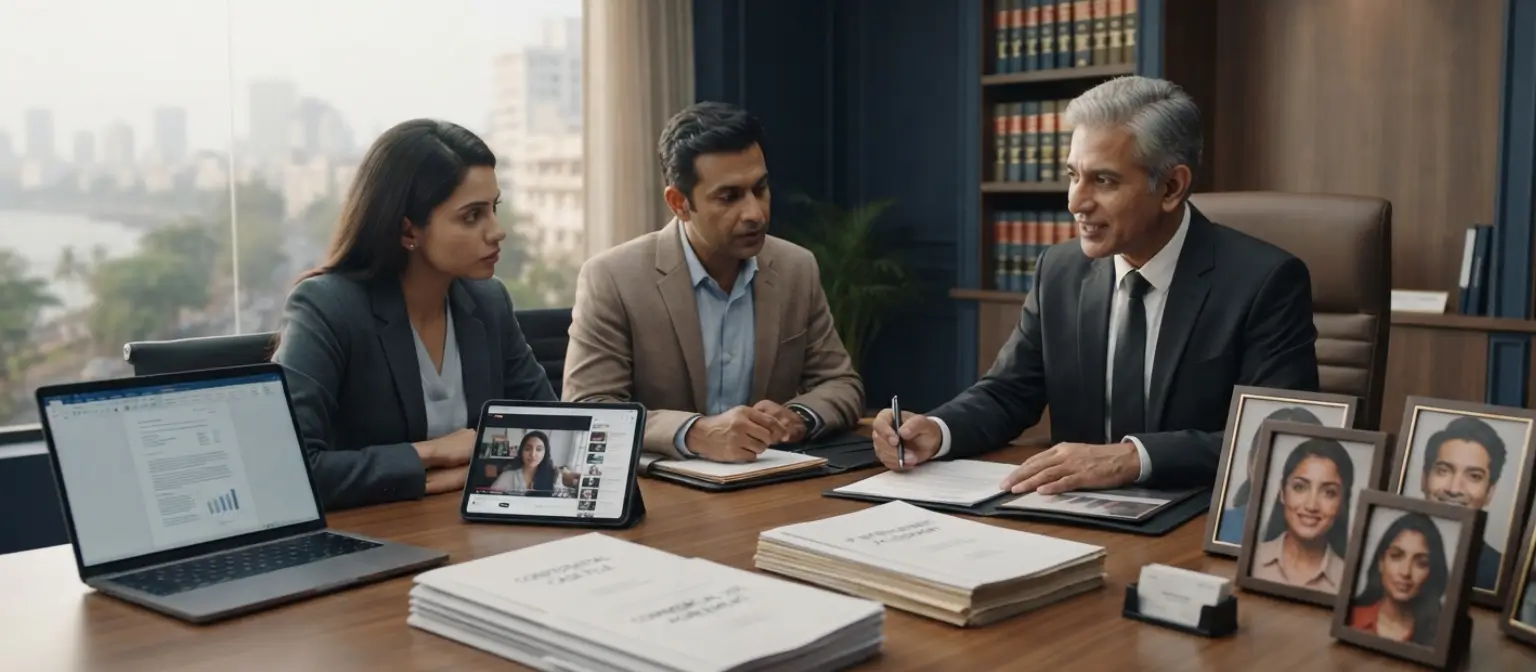
Image rights and personality rights in India are developing areas of law that have become increasingly significant with the expansion of digital media and artificial intelligence. Courts are increasingly dealing with unauthorized commercial exploitation of names, photographs, voices, likenesses and other identifiable personality attributes.
For individuals, celebrities, influencers, businesses and content creators, understanding the legal boundaries before using another person’s identity can help reduce the risk of disputes.
M/s. Semwal & Co. can provide legal assistance regarding civil and intellectual property-related disputes, including matters involving unauthorized use of images, personality attributes, commercial exploitation and appropriate legal remedies.