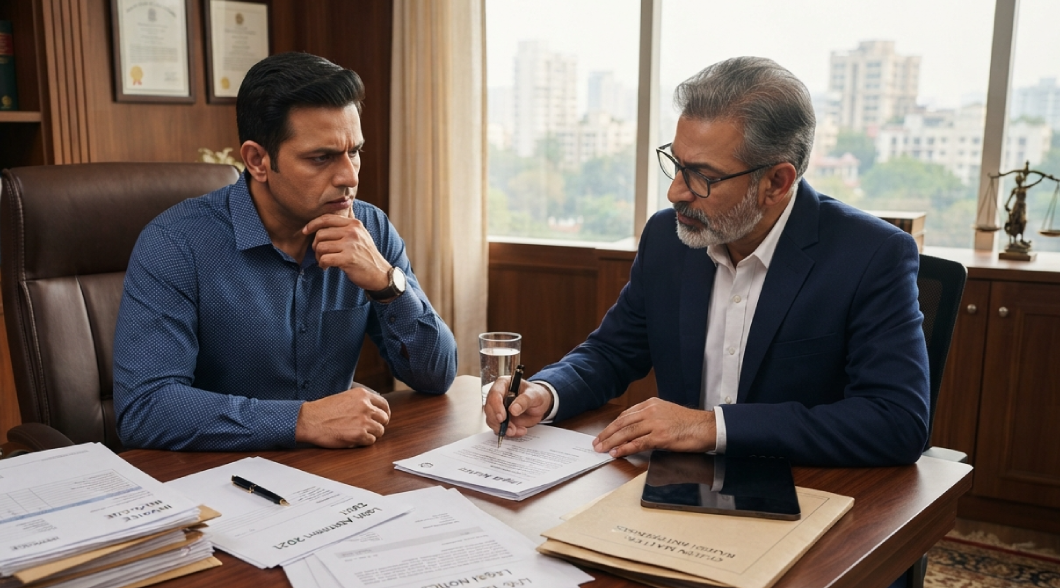
Lending money to a friend, relative, business associate, customer, or another person often happens on the understanding that the amount will be returned within an agreed period. Problems arise when the borrower delays repayment, ignores repeated requests, or refuses to pay altogether.
If someone owes you money and refuses to repay it, Indian law provides several legal remedies depending on the nature of the transaction, available evidence, amount involved, and circumstances of the case. Understanding the appropriate legal process can help you protect your rights and take timely action.
M/s. Semwal & Co. assists individuals and businesses with money recovery matters, legal notices, civil litigation, commercial disputes, and related legal proceedings.
Can You Legally Recover Money from Someone Who Refuses to Pay?
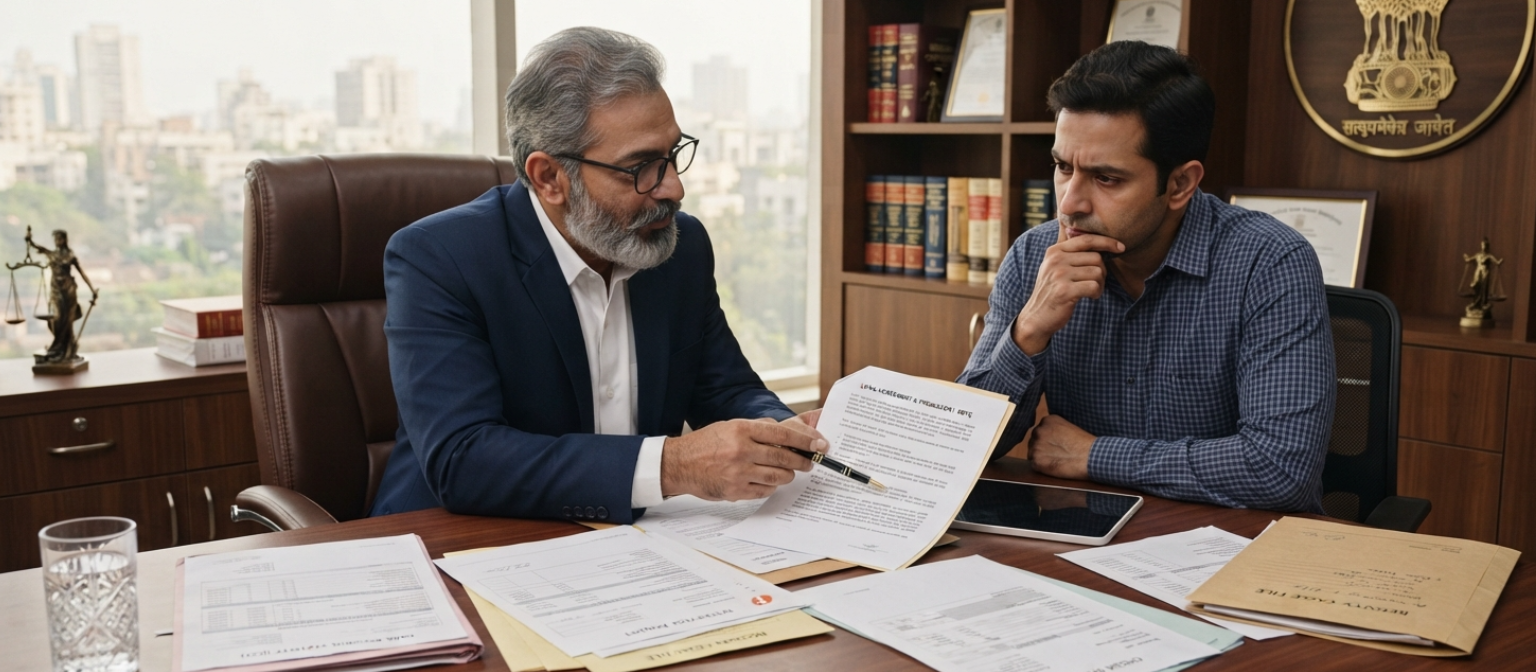
Yes. If a person or business legally owes you money and fails to repay it, you may be able to initiate appropriate legal proceedings for recovery.
A claim becomes stronger when documentary evidence is available to establish the transaction and repayment obligation. This may include loan agreements, invoices, receipts, bank transfer records, emails, WhatsApp messages, acknowledgements of debt, contracts, or other relevant communication.
The correct legal remedy will depend on the facts of the case. Therefore, the documents and circumstances should be reviewed before proceedings are initiated.
What Should You Do First If Someone Owes You Money?
Before filing a case, collect and preserve all documents connected with the payment or loan.
Important evidence may include:
- Written loan agreements
- Bank statements and transfer records
- Signed receipts
- Invoices and purchase orders
- Emails and written correspondence
- WhatsApp or SMS conversations
- Acknowledgements of outstanding amounts
- Cheques issued towards repayment
- Contracts or business agreements
Avoid deleting messages, emails, or other records relating to the transaction. These documents can become important when establishing that money was advanced and remains unpaid.
Send a Formal Demand for Payment
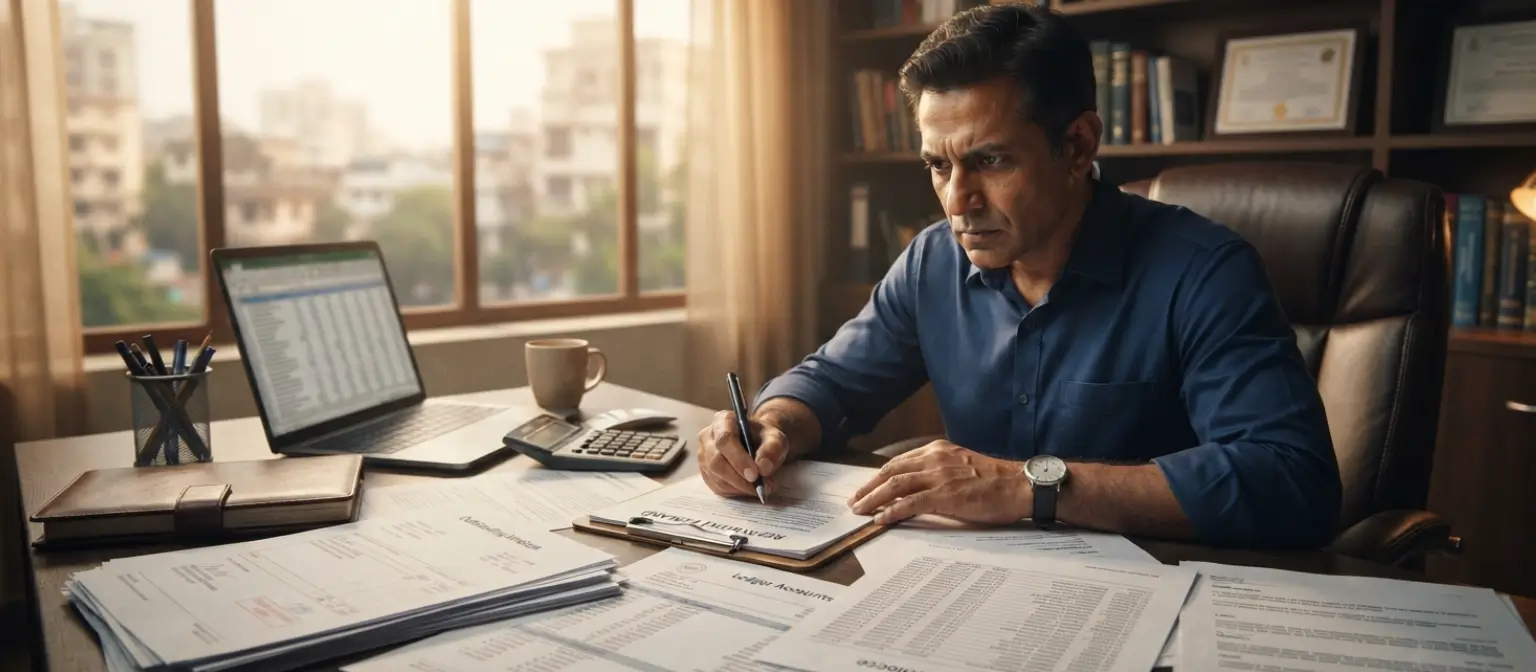
A written demand asking the debtor to clear the outstanding amount can be an important initial step.
The communication should clearly mention the amount due, basis of the debt, relevant transaction details, agreed payment terms, and a reasonable deadline for repayment.
A clear written demand also creates a record showing that repayment was requested before further legal action was considered.
Send a Legal Notice for Recovery of Money
When informal reminders do not work, a legal notice through an advocate may be considered.
A legal notice generally communicates the creditor’s claim formally and calls upon the debtor to pay the outstanding amount within a specified period.
Depending on the circumstances, the notice may contain details such as the transaction, amount outstanding, repayment obligation, previous demands, and proposed legal action if payment is not made.
A legal notice may also encourage settlement without lengthy litigation because it makes the creditor’s intention to pursue legal remedies clear.
Can You File a Money Recovery Suit?
Depending on the circumstances, a creditor may file a civil suit seeking recovery of the outstanding money.
The claimant generally needs to establish that money is legally due and payable. Evidence can therefore play a significant role in recovery proceedings.
The appropriate court and procedure can depend on factors such as the amount claimed, territorial jurisdiction, nature of the transaction, contractual terms, and applicable law.
Apart from the principal amount, claims for interest and costs may also arise in appropriate cases, subject to the contract, applicable law, and court’s determination.
What Is a Summary Suit Under Order 37 CPC?
In certain cases, a summary suit under Order XXXVII of the Code of Civil Procedure, 1908 may be available.
A summary procedure is designed for specified categories of claims where the debt or liquidated demand arises from certain written instruments or contracts covered by Order XXXVII.
Unlike an ordinary civil suit, the defendant does not automatically have an unrestricted right to defend a summary suit. The applicable procedure requires the defendant to follow the prescribed process, including seeking leave to defend where required.
However, not every money recovery dispute qualifies for a summary suit. An advocate can examine the underlying documents and determine whether an Order XXXVII proceeding is appropriate.
What If the Debtor Gave You a Cheque That Bounced?
If a cheque issued towards a legally enforceable debt or liability is dishonoured, remedies may be available under the Negotiable Instruments Act, 1881, subject to the statutory requirements.
Cheque dishonour matters involve specific procedural steps and time limits. Therefore, prompt legal advice is important after receiving information that a cheque has been returned unpaid.
Depending on the circumstances, cheque dishonour proceedings and civil recovery remedies may need to be considered separately.
Can You Recover Money Without a Written Agreement?
The absence of a formal loan agreement does not necessarily mean that recovery is impossible.
Other evidence may help establish the transaction. Bank transfers, messages, emails, receipts, account statements, invoices, or an acknowledgement by the debtor can potentially support the claim.
For example, communication in which the debtor acknowledges receiving money or promises repayment may be relevant evidence. The evidentiary value of such material depends on the facts and applicable legal requirements.
Therefore, even where there is no signed agreement, it is advisable to have the available evidence reviewed before assuming that no legal remedy exists.
What If a Friend or Relative Refuses to Return Your Money?
Money disputes between friends and relatives can be difficult because transactions are often informal.
However, the relationship between the parties does not by itself prevent legal recovery. If the money was given as a loan rather than a gift and evidence supports an obligation to repay, legal remedies may be available.
Bank transfers, messages discussing repayment, written acknowledgements, or other communications may help demonstrate the nature of the transaction.
Where possible, an initial legal notice or settlement discussion may help resolve the dispute without prolonged litigation.
Is There a Time Limit for Filing a Money Recovery Case?
Limitation is one of the most important considerations in money recovery disputes.
The Limitation Act, 1963 prescribes limitation periods for different types of legal claims. The applicable period and the date from which it begins to run depend on the nature and facts of the transaction.
In many money recovery situations, a three-year limitation period may be relevant, but it should not be assumed that every claim has the same starting date or limitation calculation.
Written acknowledgements, part payments, contractual terms, and other circumstances may affect the legal analysis.
For this reason, creditors should avoid unnecessary delays and obtain legal advice promptly.
Can a Money Recovery Dispute Be Settled Without Going to Court?
Yes. Court proceedings are not always the only solution.
Depending on the relationship between the parties and nature of the dispute, negotiation, mediation, or a structured settlement may help resolve outstanding payment issues.
A settlement may specify the total amount payable, instalments, payment dates, interest where agreed, and consequences of default. Proper documentation is important so that the terms of settlement are clear.
Where a practical settlement is possible, it can potentially save both parties time and litigation expenses.
What Is the Best Legal Action for Recovering Unpaid Money?
There is no single remedy suitable for every case. The appropriate course depends on the documents, transaction, amount involved, limitation period, debtor’s response, and other relevant circumstances.
A typical legal approach may involve reviewing the evidence, issuing a formal legal notice, considering settlement, and initiating appropriate civil or other proceedings if payment is still not made.
Taking action early is particularly important because limitation periods may affect your ability to pursue a claim.
How M/s. Semwal & Co. Can Assist in Money Recovery Matters
M/s. Semwal & Co. can assist individuals, professionals, companies, and businesses with legal issues concerning unpaid dues and money recovery disputes.
Legal assistance may include reviewing transaction documents, assessing available remedies, drafting and issuing legal notices, advising on settlement options, filing appropriate recovery proceedings, and representing clients before the relevant courts and forums.
Every money recovery dispute has different facts. A careful review of the transaction, evidence, contractual terms, jurisdiction, and limitation period can help determine the appropriate legal strategy.
If someone has borrowed money, failed to clear business dues, ignored invoices, or refused to honour an agreed repayment obligation, timely legal action can help protect your rights.