
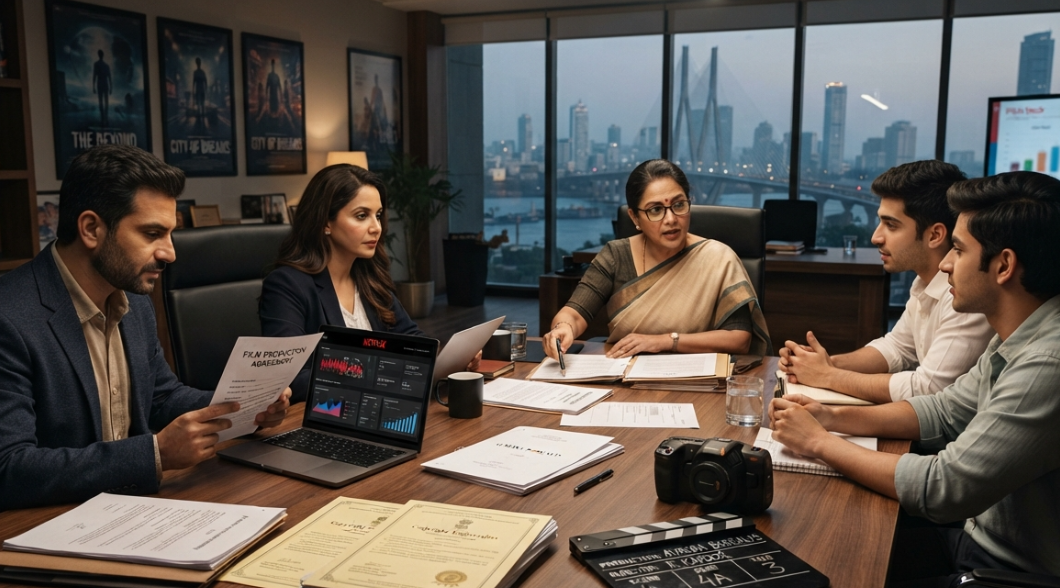
The Indian media and entertainment industry is undergoing rapid transformation. The growth of cinema, television, digital media, OTT platforms, social media, online news portals and celebrity-driven brands has created new legal questions concerning copyright, freedom of speech, defamation, personality rights, digital content and the protection of creative works.
Recent judicial developments show that Indian courts are increasingly required to balance two competing interests: the protection of individual and intellectual property rights on one hand, and freedom of expression and public interest on the other. The following recent cases and judicial developments are particularly relevant to media and entertainment law.
1. Wikimedia Foundation Inc. v. ANI Media Pvt. Ltd. & Ors. - Supreme Court of India

Judgment Date: 9 May 2025
The Supreme Court’s decision in Wikimedia Foundation Inc. v. ANI Media Pvt. Ltd. & Ors. is an important recent development concerning online platforms, intermediary obligations and the relationship between digital information platforms and legal proceedings. The appeal arose from proceedings before the Delhi High Court involving content published on Wikipedia and a dispute concerning the treatment of information relating to ANI.
The Supreme Court considered the challenge to the Delhi High Court proceedings and examined issues connected with the rights and obligations of a digital platform in the context of allegations concerning online content.
The judgment is significant for the digital media ecosystem because it demonstrates that online platforms may face complex legal issues when content published or made available through their services is challenged. It also highlights the importance of balancing freedom of expression, access to information and reputation.
Key takeaway: Digital media platforms must carefully consider their legal responsibilities when dealing with disputed content, particularly where allegations of reputational harm and publication of information are involved. The case is relevant to publishers, online platforms, digital media companies and content creators operating in India.
2. In Re: Scandalous Remarks Made by Mr. Ajay Shukla, Editor-in-Chief, Varprad Media Pvt. Ltd. & Anr. - Supreme Court of India
Order Date: 30 May 2025
The Supreme Court initiated suo motu contempt proceedings after taking cognisance of a video published by a digital media channel containing allegations and remarks concerning a senior judge of the Supreme Court.
The Court observed that although the Constitution guarantees freedom of speech and expression, that freedom is subject to reasonable restrictions. The matter highlights the legal boundaries applicable to digital journalism and online broadcasting, particularly when content concerns the judiciary or public institutions.
This proceeding is significant because digital media has made publication instantaneous and widely accessible. Statements made through YouTube, social media or digital news channels can reach a large audience within minutes. However, freedom of expression does not provide unlimited protection against content that may attract legal consequences, including contempt or defamation proceedings.
Key takeaway: Digital publishers and media professionals must exercise responsibility when publishing allegations concerning individuals and public institutions. Editorial freedom must be balanced against constitutional restrictions and applicable laws.
3. Karan Johar v. Ashok Kumar & Ors. - Delhi High Court
Order Date: 17 September 2025
The proceedings in Karan Johar v. Ashok Kumar & Ors. represent a recent development concerning the protection of personality rights in the entertainment industry. The dispute involved allegations concerning the unauthorised use or infringement of the personality rights associated with filmmaker Karan Johar.
Personality rights have become increasingly important in India because celebrities and public figures have significant commercial value attached to their names, images, identities and public personas. With the rise of artificial intelligence, digital advertising, social media and online merchandising, unauthorised commercial exploitation of a celebrity’s identity has become a growing concern.
The case illustrates the increasing willingness of courts to address disputes involving the unauthorised commercial use of celebrity identities and associated goodwill.
Key takeaway: Celebrities, actors, filmmakers and other public figures may need to take legal steps to protect commercially valuable aspects of their identity. Businesses and advertisers should also exercise caution before using a celebrity’s name, image or identity for commercial purposes without appropriate authorisation.
4. Ravindra N. Redkar & Ors. - Proceedings involving Icon Films, Netflix and Other Media Companies

Supreme Court Proceedings: 2024-2025
The Supreme Court proceedings involving Ravindra N. Redkar and several connected matters are noteworthy for the entertainment industry because they involve major media and entertainment entities, including Netflix Entertainment Services India LLP, Icon Films Ltd., Discovery Communications India, ITV Studios Global Distribution Ltd. and the BBC.
The matters demonstrate how disputes concerning audiovisual content can travel through different levels of the judicial system and eventually reach the Supreme Court. They also reflect the legal complexities faced by broadcasters, streaming platforms, production companies and international media organisations operating in India.
For the entertainment industry, such litigation reinforces the importance of proper contracts, rights clearances, licensing arrangements and compliance with applicable legal requirements before producing or distributing audiovisual content.
Key takeaway: OTT platforms, broadcasters and production houses should maintain clear contractual arrangements and conduct appropriate legal due diligence concerning the rights required for producing, distributing and exhibiting entertainment content. The Supreme Court’s case listings show the continuing judicial consideration of these connected matters.
5. Recent Supreme Court Copyright Jurisprudence - Judgment in 2025
Judgment Date: 15 April 2025
A significant Supreme Court copyright judgment delivered in 2025 examined the scope and operation of copyright protection under the Copyright Act, 1957. The judgment discussed the statutory meaning of copyright and the exclusive rights available in relation to different categories of protected works, including literary, dramatic, musical and artistic works, cinematograph films and sound recordings.
The decision is particularly relevant to the media and entertainment industry because copyright remains the foundation of commercial exploitation in films, music, television programmes, digital content and other creative works.
For producers, composers, lyricists, musicians, filmmakers, broadcasters and streaming services, the decision reinforces the importance of clearly identifying copyright ownership and obtaining appropriate rights before exploiting creative works commercially.
Key takeaway: Copyright remains a critical legal asset in the entertainment industry. Production houses and media companies should ensure that ownership, assignment and licensing of intellectual property rights are clearly documented to minimise future disputes.
6. Digital Media, Defamation and Freedom of Speech - Recent Judicial Approach
Recent Judicial Developments: 2025
Recent judicial proceedings involving digital news channels and online publishers demonstrate the growing importance of the law of defamation in the digital media environment. The Supreme Court’s proceedings concerning remarks published through a digital channel illustrate that the constitutional protection of freedom of speech and expression operates within established legal limits.
For journalists, influencers, content creators, publishers and entertainment companies, this development is especially relevant because social media and digital platforms have blurred the traditional boundaries between professional journalism and individual content creation.
A statement that is published online may have a far greater reach and permanence than a traditional publication. Consequently, media organisations and individual creators should exercise appropriate editorial care and verify factual allegations before publication.
Key takeaway: Freedom of expression is an essential constitutional right, but it must be exercised responsibly. Digital content creators and media organisations should remain mindful of potential defamation, contempt and other legal consequences arising from online publications.
The recent judicial landscape demonstrates that Media and Entertainment Law in India are expanding beyond traditional film and broadcasting disputes. Copyright, personality rights, defamation, digital media regulation, freedom of speech and OTT-related legal issues are becoming increasingly important.
The decisions and proceedings discussed above highlight several practical lessons for the entertainment industry. Production houses should secure intellectual property rights and maintain comprehensive contracts. OTT platforms and broadcasters should conduct appropriate rights clearances. Celebrities should take steps to protect commercially valuable personality rights, while digital publishers and content creators should exercise caution when making potentially defamatory or controversial statements.
As the media and entertainment sector continues to evolve with artificial intelligence, streaming platforms, social media and digital content, courts will increasingly be called upon to balance creative freedom with individual rights and intellectual property protection.
Businesses, artists, filmmakers, actors, producers, broadcasters, OTT platforms and digital publishers should therefore seek appropriate legal advice when dealing with copyright, contracts, personality rights, defamation and content-related disputes.
For professional advice and assistance relating to Media and Entertainment Law, including contracts, intellectual property rights, copyright, personality rights, defamation and entertainment industry disputes, kindly contact Semwal & Co.